 AI image
Reading path · 1 article
“People visit, but they don’t get in touch.”
- What should you measure before the sale?
- Why visitors don’t convert
- Is your page asking too much of people?
- More traffic. Still no enquiries from the right companies.
See it differently
Fresh perspectives on people and marketing.
With something useful to take into your work.
Not sure which topic fits? Start from what is happening.
Reading path · 1 article
Reading path · 4 articles
Reading path · 4 articles
Before anyone compares options, something has to matter to them.
 An ordinary mug, a lot of meaning.AI image
Needs, identity and the meaning people attach to what they own.
 The job behind a purchase often starts on a list.AI image
Use jobs to be done to see the situation behind a purchase.
Then people make sense of what they see — often with shortcuts.
 Three good options, one quick judgement.AI image
An author-proposed map of eight processes — and what they can explain.
 The same price reads differently next to another.AI image
Look at reference points, packages and perceived value before changing the price list.
They weigh value, risk and doubt before committing.
 Comparing, weighing, deciding.AI image
What shapes comparison, perceived value and the decision to buy.
 AI imageSeeing the benefits isn’t the same as being sure.
Map the uncertainty a customer needs to resolve before committing.
After buying, doubt and ownership shape how good the choice feels.
 Right after the choice, the doubts arrive.AI image
Cognitive dissonance before and after a purchase, and what can ease it.
 What we look after starts to feel like ours.AI image
Participation, ownership and the experience of using a digital product.
Then habit and the effort already spent shape whether they stay or switch.
 Hours of set-up already. Hard to walk away.AI image
Sunk costs, and why time already spent can keep people in a choice that no longer suits them.
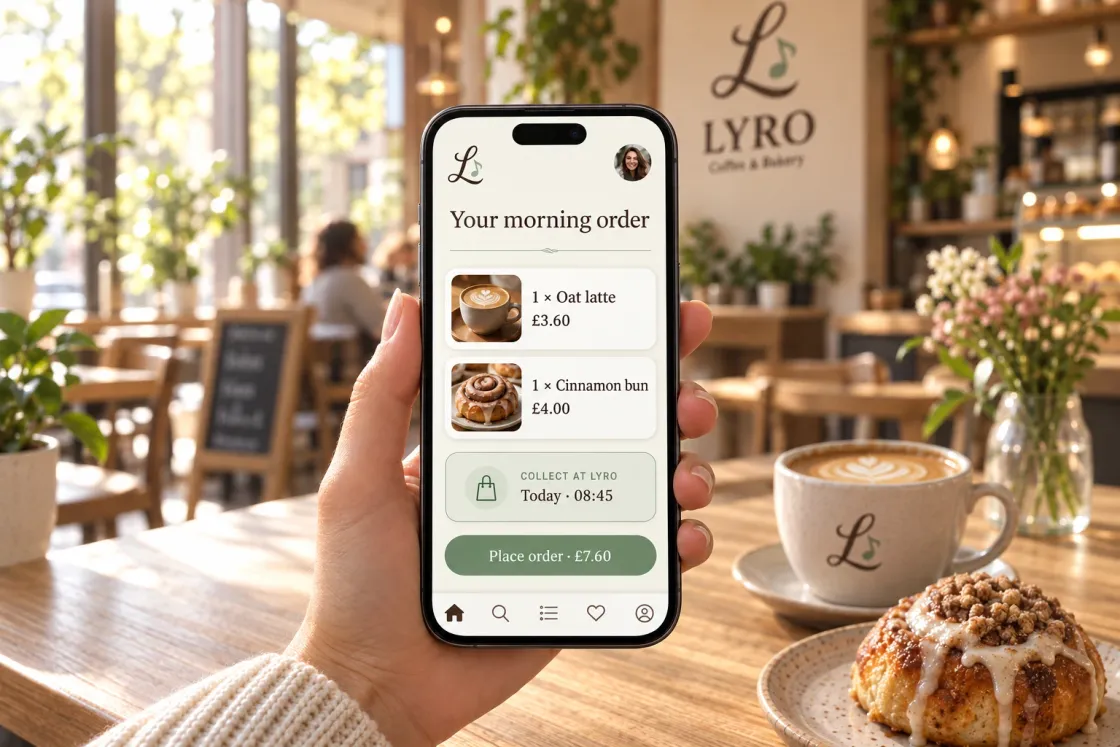 The usual order, one tap away.AI image
Habit, context and what pulls people back from something new.
 AI image
 AI image
Explore when people have a reason to mention a brand — and what recommending it puts at stake.
Find the cultural assumptions that a correct translation can leave untouched.
First look
The aesthetic-usability effect, and why a polished page can hide a hard task.
Finding the way
Find what makes a page harder to understand than it needs to be.
Function, legibility and the states that tell people what just happened.
Converting
Diagnose the barriers before adding more prompts to the page.
The sequence of pages and contacts that moves someone towards a yes.
Getting started
Trace the barriers between signing up and doing the job the user came for.
Leaving
Assess the clarity, control and consequences of leaving a subscription.
Right after buying
Reassurance, clearer guidance — or a different product? Start by finding out what is behind the customer’s doubt.
The high point
In developmentPeaks, endings and why the last moment can colour the whole purchase.
When something goes wrong
In developmentComplaints, a sense of fairness and what a good recovery looks like.
Coming back
In developmentSeparate real preference from routine and the cost of switching.
 A bus stop, a moment, a message.AI image
Featured
Outdoor campaigns that turn passing attention into an experience.
 AI imageOn its own, nothing competes for the eye.
The isolation effect, and what a single clear difference can do for recall.
 A pattern people look at twice.AI image
What draws the eye, and what can a brief moment of attention achieve?
 Taste, smell and texture carry the brand too.AI image
Sensory cues and what they add to how people experience a brand.
 AI image
 AI image
 AI image
 AI image
Smaller customer actions can reveal progress and points of friction.
 AI image
Use drop-off as the start of an investigation, rather than its conclusion.
 AI image
Compare attribution windows and models before adding platform conversions together.
AI imageCheck the quality of your GA4 data before diagnosing customer behaviour.
Deep Dive: Marketing Unpacked
With the article Make evidence part of your marketing
With the article Why making it yours can change its value
With the article When the price changes after the yes
With the article What should you measure before the sale?
With the article Why earlier choices pull on the next one
 AI image
01Customers
Attention, meaning and the decisions that follow.
 AI image
02Market
Choose a segment, a proposition and a route to your first customers.
 AI image
03Priorities
Turn the diagnosis into choices about the customers, channels and work to invest in.
 AI image
04Channels
Give the blog, social channels and distribution a defined role in the customer’s decision.
Assess which colours, shapes, words and sounds people actually connect with your brand.
Decide what to retain, what to test and how to introduce the change.
How an audit can separate the symptoms from the changes worth investigating.
Start with the visitor’s task, then work through content, design and implementation.
 AI imageAI image
Design preview · An illustrative website and page editor, not a client project.
Design preview · An illustrative conversation, not a real assistant.
 AI image
Which explanations help a user understand and assess the output?
 AI image
Test how people assess a recommendation, spot a mistake and correct the system.
AI imageStart with the customer’s task, then decide what information would make a useful difference.
Cognitigencehttps://www.cognitigence.com › blog › seo
In development — Build B2B content around the questions people ask when comparing suppliers.
Cognitigencehttps://www.cognitigence.com › blog › seo
In development — Keyword research that starts with what someone is trying to do.
 AI image
Cognitigencehttps://www.cognitigence.com › blog › seo
In development — Choose organic priorities around the customers and enquiries you want to attract.
Design preview · Illustrative search results, not a live Google page.
17 terms, each explained in a line, 12 of them linked to the article that goes deeper.
Aesthetic-usability effect
We tend to see attractive designs as easier to use, whether or not they are.
In developmentIt looks easy. Is it easy to use?Authority principle
People give more weight to advice from sources that seem credible and expert.
Article: What makes expertise believable?Buyer’s remorse
Regret or doubt that can follow a purchase.
Article: The purchase is made. What happens next?Cognitive dissonance
The discomfort of holding two ideas that don’t fit, such as a choice and a doubt about it.
Article: When a decision and a doubt collideCommitment and consistency
The pull to act in line with what we have already said or done.
Article: Why earlier choices pull on the next oneEvidence-based marketing
Decisions informed by research, observation and testing, not by instinct alone.
Article: Make evidence part of your marketingFraming effect
The same facts, presented differently, can lead to a different choice.
In developmentSame facts. A different frame.Heuristics
Mental shortcuts that speed up judgement, and can also bias it.
Article: The shortcuts behind customer judgementIKEA effect
We value things more when we have helped to make or shape them.
Article: Why making it yours can change its valueIsolation effect
The item that stands out from a group is the one we are more likely to remember.
In developmentWhy the one that stands out is the one we rememberJobs to be done
The progress a customer is trying to make in a particular situation.
In developmentWhat progress is your customer trying to make?Liking principle
We are more open to people we like, or who seem similar to us.
Article: Why familiarity can make a message easier to trustLow-ball technique
Securing a yes, then changing the terms once people have committed.
Article: When the price changes after the yesMicro-conversions
Small actions that show someone moving towards a purchase.
Article: What should you measure before the sale?Peak-end rule
We judge an experience largely by its most intense moment and by how it ends.
In developmentWhat people remember about an experienceReciprocity
The urge to give something back after receiving something.
Article: Why receiving something makes people want to give backSocial proof
Using what other people do as a guide to what we should do.
Article: Why other people’s choices matterNo term matches “” yet.
From reading to doing
Tell us what you are working on — a message, a website or a product launch — and we will look at it from your customer’s side.
 AI image
 AI image
 AI image
 AI image
 AI image